
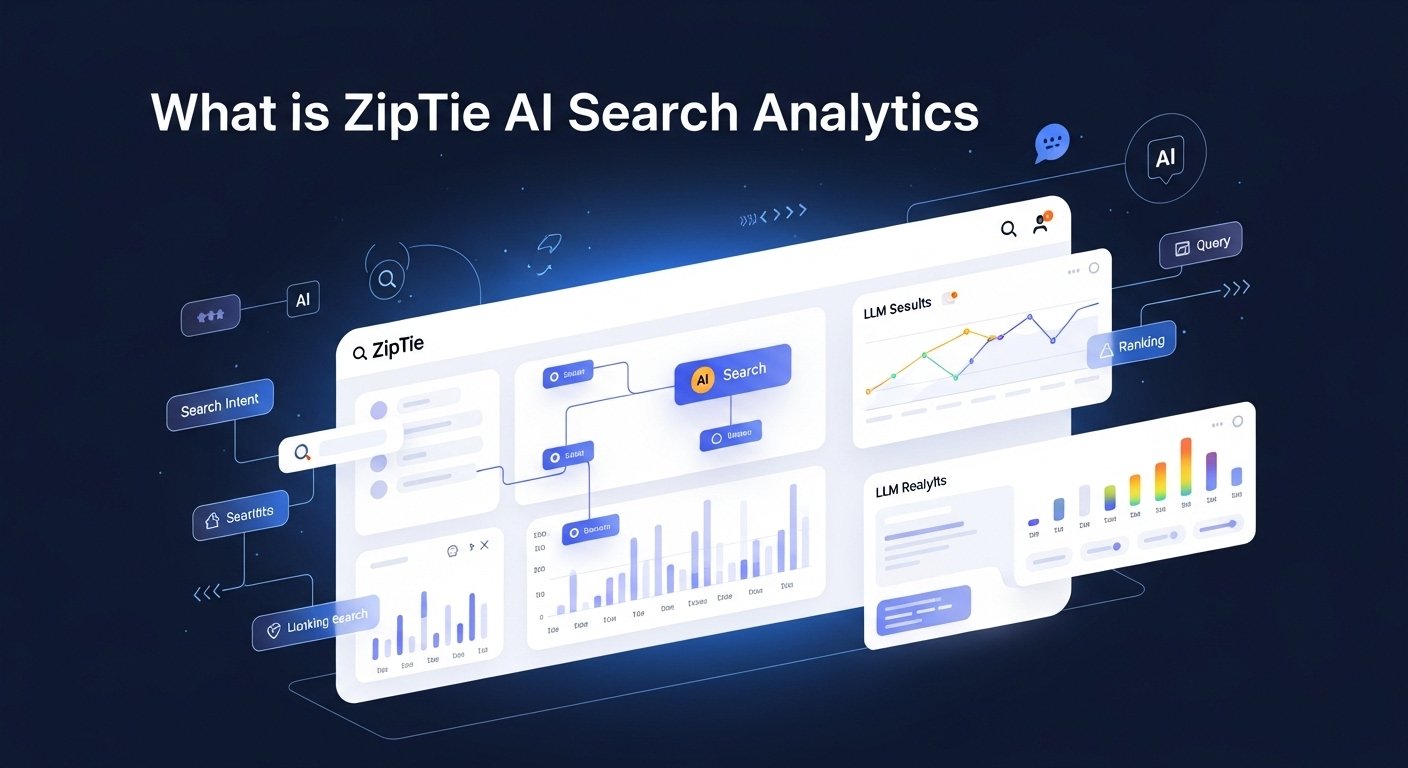
SGE Summary
ZipTie AI Search Analytics is a specialized Generative Engine Optimization (GEO) platform designed to track brand visibility in AI-generated search results. It bypasses traditional SEO limitations by simulating real-user browser behavior to monitor citations, mentions, and sentiment across Google AI Overviews, ChatGPT Search, and Perplexity AI.
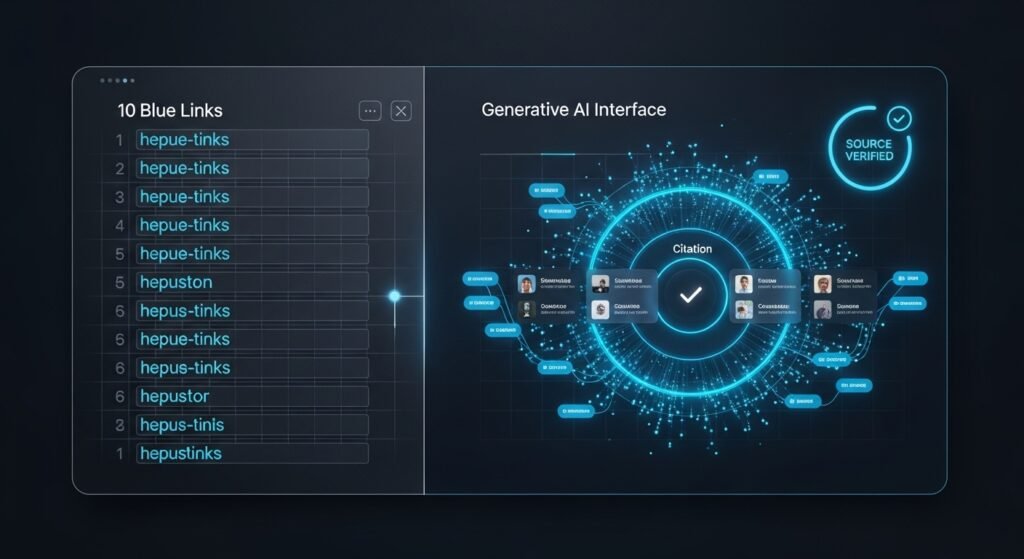
The search landscape of 2026 is no longer defined by the “ten blue links.” We have migrated from deterministic retrieval to probabilistic generative interfaces. In this environment, the “click” has been replaced by the “mention,” and the “rank” has been superseded by the “citation.” ZipTie AI Search Analytics has emerged as critical diagnostic infrastructure for this new reality, offering a window into the opaque processes of Large Language Models (LLMs) and Google’s hidden FastSearch architecture.
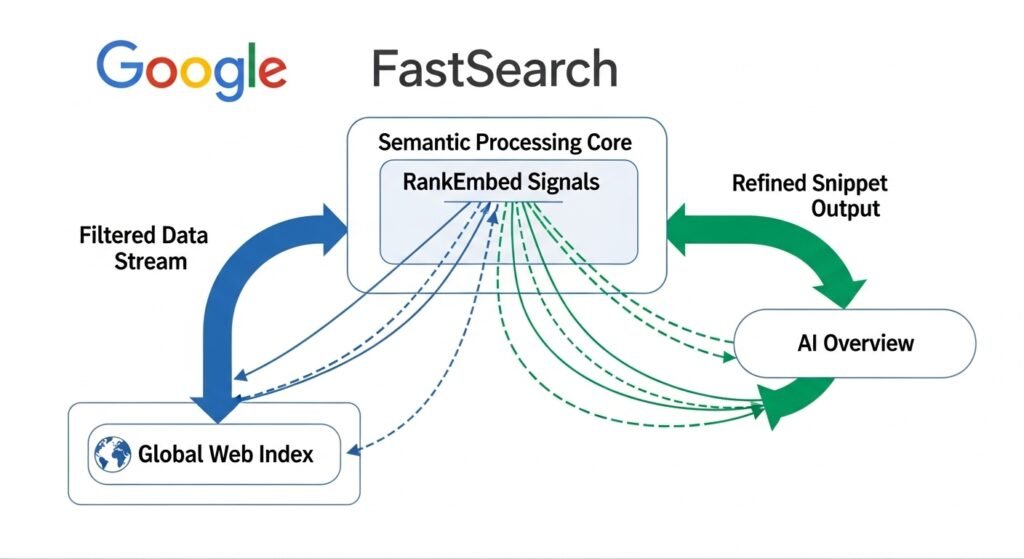
How FastSearch Impacts Site Visibility
Revealed through court documents in the 2024–2025 antitrust proceedings, FastSearch is the technology used to ground Gemini models with real-world web content. Unlike the core index, FastSearch prioritizes speed, relying on RankEmbed signals—deep learning models that favor semantic alignment over traditional authority metrics like backlinks.
This shift creates a massive opportunity for niche authorities. If your content pattern matches the “expected answer” for a specific user query, you can enter the FastSearch shortlist regardless of your Domain Rating. ZipTie identifies whether your site has successfully made it into this shortlist for your target query portfolio.
ZipTie AI Pricing & Plans (January 2026)
As of early 2026, ZipTie operates on a credit-based model to account for the high computational demand of live AI rendering.
| Plan | Price | AI Search Checks | Key Features |
|---|---|---|---|
| Basic | $69/mo | 500 | 5 Data Summaries, 10 Content Optimizations |
| Standard | $99/mo | 1,000 | 50 Data Summaries, 100 Content Optimizations |
| Pro | $159/mo | 2,000 | 100 Data Summaries, 200 Content Optimizations |
Pro-Tip: Annual billing typically offers a 15% discount. For agencies, the Standard plan is the most popular choice for balancing multi-client reporting with cost.
The Mechanics of ZipTie AI: How It Tracks 2026 Search.
-
- Agentic Crawling: ZipTie uses headless browsers to see exactly what a human sees in an AI snapshot.
- Entity Mapping: It identifies if your brand is recognized as a “Source of Truth” by the LLM (Large Language Model).
- Attribution Audit: It tracks if the AI is giving you a clickable citation or just a “shadow mention” (brand name without a link).
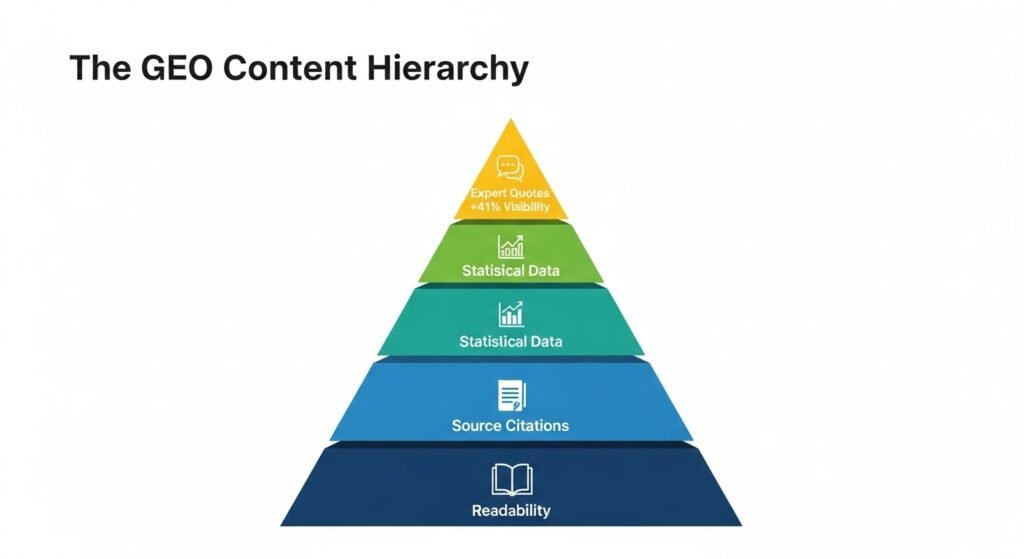
The arXiv GEO Optimization Hierarchy
Academic research on the Generative Engine Optimization (GEO) Framework has quantified the specific “lift” provided by different content techniques. To reach a “Citation Position 1,” ZipTie’s optimization module helps you implement these exact fixes:
- Expert Quotes (+41% visibility): Adding authoritative subject matter quotes.
- Statistical Data (+30% visibility): Including original data points and percentages.
- Source Citations (+30% visibility): Ironically, citing other high-authority sources makes AI engines more likely to cite you.
- Readability (+22% visibility): Improving the fluency and scannability of the text.
KPI Shift: Mentions, Citations, and Sentiment
ZipTie’s analytical framework tracks three metrics that have replaced traditional rankings:
- Brand Mentions: The primary unit of awareness. Research from Ahrefs suggests that brand mentions near industry terms have a stronger correlation with AI Overview presence than traditional backlinks.
- Citations: When an AI explicitly links to your domain. Being the “Top Cited URL” is the only way to guarantee visibility on desktop without user interaction.
- Sentiment: LLMs can hallucinate. ZipTie categorizes AI responses as Positive, Neutral, or Negative, providing diagnostic proof of brand safety to adjust your PR strategy.
Benchmarking ZipTie vs. The Market
As the market for AI search visibility tools fragments, choosing the right platform depends on your specific needs:
- ZipTie.dev: Best for technical SEOs and optimization gap analysis. It is the mid-range leader for those prioritizing Google AIO and ChatGPT Search.
- Profound AI: An enterprise-tier competitor for Fortune 500 brands requiring SOC 2 compliance and 10+ engine tracking (starting at $499/mo).
- Otterly.AI: Ideal for brand mention monitoring and social listening across AI surfaces.
Fixing “Zombie Content” with ZipTie
A significant 2026 problem is the “Zombie Web“—pages that provide only “commodity content” that LLMs already know and refuse to cite. ZipTie’s AI Search Insights module helps identify these underperforming assets.
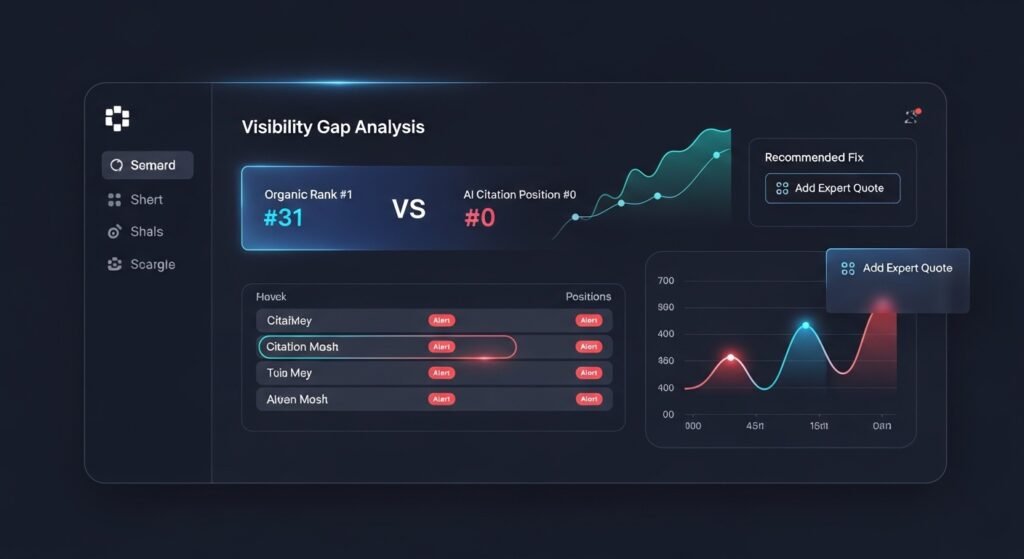
Strategic ROI: The Ethan Smith Conversion Study
While AI search may deliver lower raw traffic volumes, Ethan Smith’s research (CEO of Graphite) reveals that the “quality of lead” is drastically higher. His findings show that traffic from ChatGPT Search converts six times higher than traditional organic search. ZipTie is the bridge to capturing this high-intent revenue.
Ziptie AI vs. Google Search Console” (Information Gain)
- GSC (Google Search Console): Only shows total impressions; hides whether the impression came from a blue link or an AI summary.
- ZipTie AI: Specifically isolates AI Overview visibility and provides Screenshot Verification for every mention.
| Feature | Google Search Console (GSC) | ZipTie AI Search Analytics |
| Visibility Type | Standard Blue Links | AI Overviews & ChatGPT |
| Proof of Search | Only Numbers (Data) | Live Screenshots |
| AI Citations | Not Tracked | Fully Audited |
FAQs
Semrush tracks blue link rankings; ZipTie measures AI visibility (mentions/citations) using real-user simulation, capturing data that GSC and legacy trackers miss.
What is the AI Success Score?
A proprietary metric that combines mention frequency, citation strength, and the sentiment of the response.
Which countries does ZipTie support?
It currently supports 14 countries, including the US, UK, India, and Germany.