
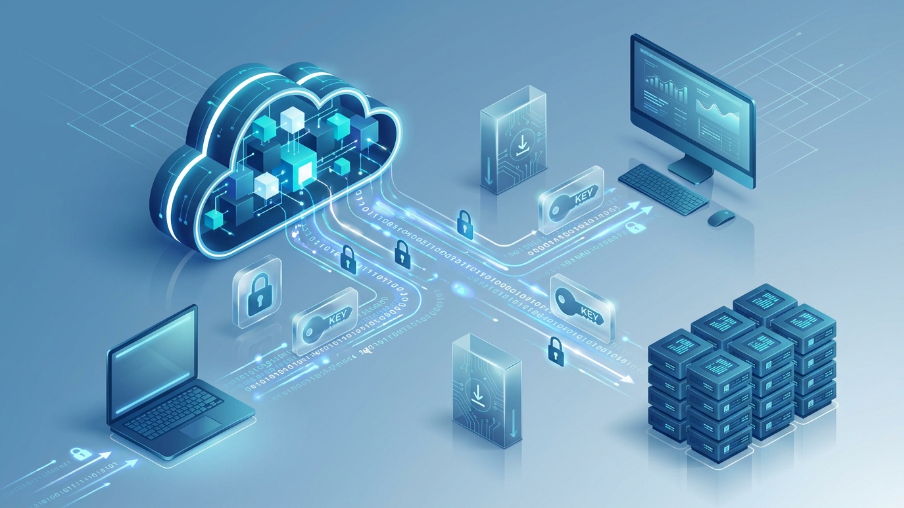
To understand what is electronic software distribution (ESD), it helps to look at how modern software fulfillment has evolved. Electronic Software Distribution (ESD) is the automated digital delivery of software, license keys, and system updates over the internet. Consequently, it eliminates physical installation media like optical discs or USB drives. Today, ESD powers consumer digital storefronts, subscription desktop applications, and enterprise networks.
Global Market Trends & Industry Growth
Digital delivery now dominates global software distribution. Industry benchmarks highlight this massive market shift:
- Global Market Volume: Specifically, analysts project the software distribution market will reach $913.8 Billion at an 11.3% annual growth rate.
- Shift from Physical Media: Furthermore, digital distribution accounts for over 94% of consumer software sales worldwide. As a result, instant cloud fulfillment has replaced physical store inventory.
- Cloud & SaaS Acceleration: In addition, cloud delivery models grow at over 16% annually. This growth stems from demand for automated background patching and instant license setup.
Primary Types of Electronic Software Distribution Platforms
Understanding what is electronic software distribution across various industries reveals four distinct platform models:
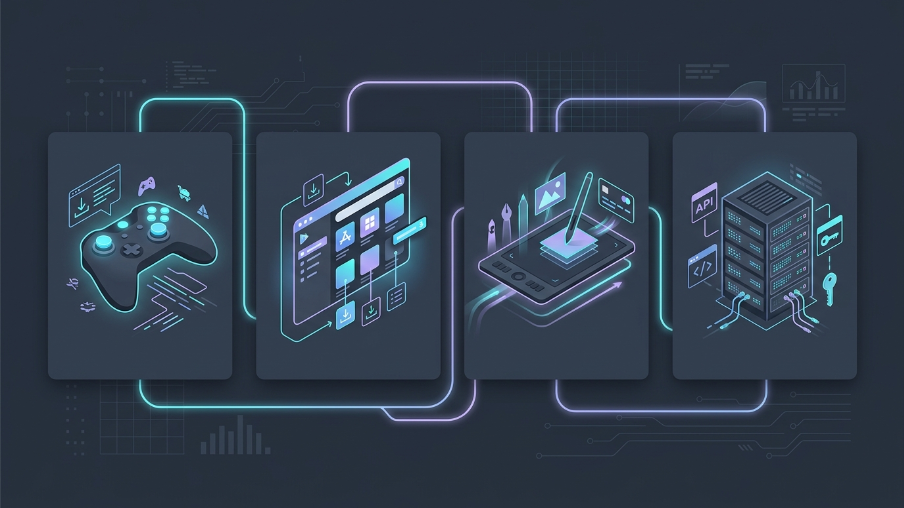
| Platform Category | Leading Examples | Primary Delivery & Licensing Model |
| Consumer & Gaming Stores | Steam, Epic Games Store, Sony PlayStation Store | Direct digital download with account-bound Digital Rights Management (DRM). |
| Operating System Stores | Microsoft Store, Apple App Store | Native OS integration, automated updates, and sandboxed app permissions. |
| Subscription Suites | Adobe Creative Cloud, Microsoft 365 | Hybrid delivery using local binary installation and periodic cloud checks. |
| Developer & B2B Portals | JetBrains Marketplace, GitHub Packages, AWS Marketplace | Automated API key generation, containerized images, and enterprise license pooling. |
How Electronic Software Distribution Works in Practice
This automated pipeline defines what is electronic software distribution in practice, following a four-stage digital fulfillment process:
1.Purchase & Order Validation:Transaction Processing.
First, the user completes a purchase through a digital store or portal. Next, the payment gateway verifies billing details and generates a digital entitlement record.
2.License Key Generation:Dynamic Entitlement Provisioning.
Then, the ESD server dynamically creates a unique product key or activation token. Therefore, the system binds this license directly to the user’s account ID.
3.Secure Content Delivery:CDN Acceleration.
Afterward, global Content Delivery Networks (CDNs) serve the installation payload. Consequently, high-speed edge servers deliver fast downloads with SHA-256 hash validation to prevent file tampering.
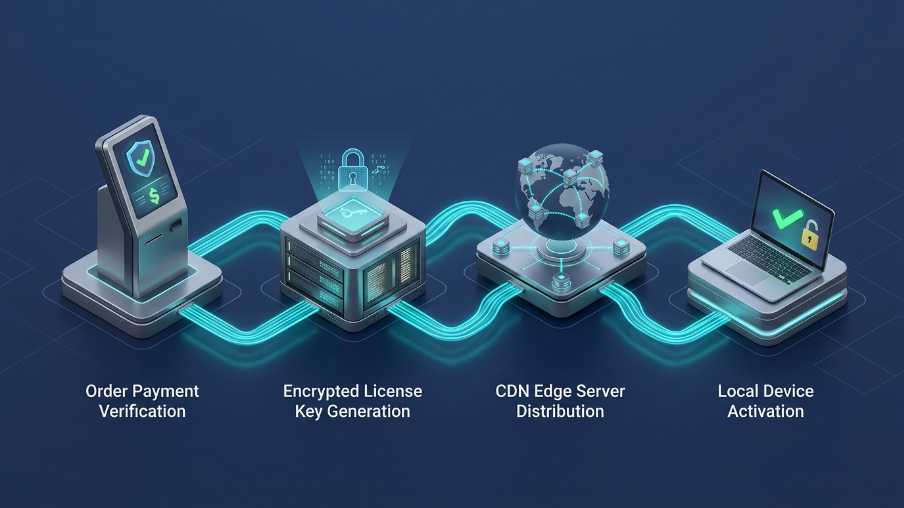
4.Activation & Telemetry:Rights Verification.
Finally, the installed software connects to a central licensing server. The system validates the digital signature, registers the hardware hash, and unlocks full software functionality.
Regional Compliance for Electronic Software Distribution (Denmark & EU)
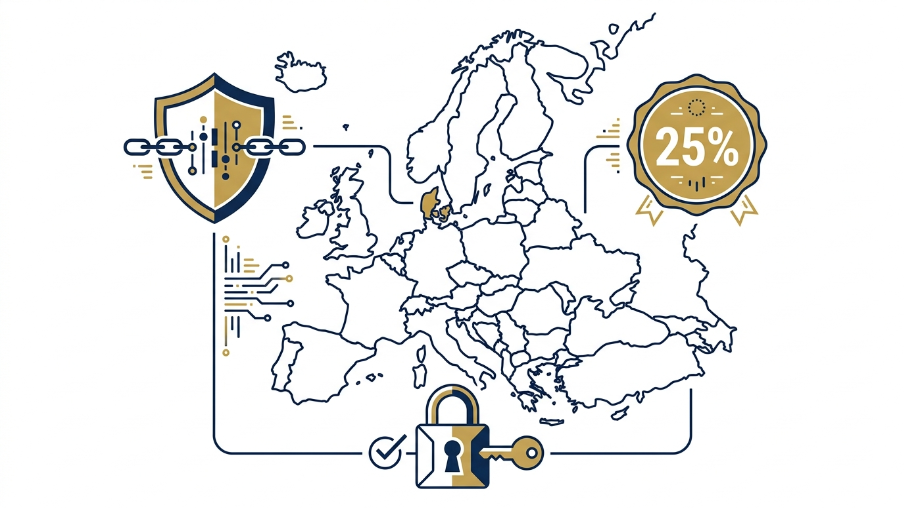
Distributing software in Denmark and the European Union requires strict legal compliance:
- GDPR Compliance (Data Telemetry): First, the General Data Protection Regulation (GDPR) governs personal data collection during software activation. Therefore, vendors must obtain explicit consent and encrypt hardware IDs or user emails.
- EU Consumer Rights Directive (Digital Refunds): Second, EU consumers generally enjoy a 14-day refund window. However, this right expires once digital downloading begins if the customer consents at checkout.
- EU VAT One Stop Shop (OSS): Additionally, cross-border digital sales require local VAT compliance. For example, sales to Danish consumers trigger Denmark’s 25% VAT rate at checkout.
Commercial ESD vs. Enterprise IT Software Deployment
When analyzing what is electronic software distribution, it is essential to distinguish between commercial sales and internal enterprise IT deployment:
- Commercial ESD: This model focuses on consumer self-service, instant credit card purchases, and individual license key delivery.
- Enterprise IT Deployment: Conversely, IT administrators use management platforms like Microsoft Intune, SCCM, or Jamf Pro. They silently push updates across corporate devices using volume licensing and controlled patch schedules.
Financial Accounting for Electronic Software Distribution
Digital distribution also impacts how vendors record financial revenue under international accounting standards:
- FASB ASC Topic 606: Standard accounting rules require vendors to recognize perpetual ESD license revenue immediately upon delivering the access key or download link.
- Subscription & SaaS Revenue: In contrast, vendors recognize subscription revenue ratably over time as they fulfill ongoing service obligations.
Frequently Asked Questions About Electronic Software Distribution
What is the difference between an ESD Key and a SaaS Subscription?
An ESD key unlocks software that you install directly on your local device. In contrast, a SaaS model provides cloud-hosted software through a web browser on a recurring subscription basis.
What happens if I lose my ESD product key or uninstall the software?
Modern ESD platforms bind digital licenses to your user account. Therefore, you can simply log into your account dashboard to re-download the software without buying a new key.
Are ESD software purchases refundable under European Union laws?
EU law waives the 14-day refund right as soon as the download starts. However, you must explicitly accept this waiver during checkout.
How do ESD platforms prevent software piracy?
ESD platforms use Digital Rights Management (DRM), online activation servers, and hardware hashes. Consequently, these tools ensure that installed files match valid user entitlements.
Can I use ESD software without an active internet connection?
Initial setup requires an internet connection. However, once activated, most ESD software works offline and only reconnects periodically to re-verify license validity.