

Looking for the latest SaaS pricing news today? As we move further into 2026, many software giants are shifting their subscription models. You open your inbox and see your SaaS bill went up again. Frustrating, right? This is exactly why SaaS pricing news matters. If you’re not paying attention, small changes pile up fast, and suddenly your tools are costing more than they should.
[Source: Forbes – https://www.forbes.com/sites/forbestechcouncil/2023/06/14/how-to-manage-rising-software-costs/]
I’ve seen founders burn thousands chasing features they don’t even use, while their organic growth barely moves. It’s maddening, but there’s a smarter way.
In this article, I’ll break down the latest subscription updates, highlight which tools are getting pricier, and show where you can actually save. By the end, you’ll know exactly how to stay ahead, protect your budget, and keep your software stack working for you—not against you.
| SaaS Company | 2026 Pricing Change | Effective Date |
| Salesforce | +9% Increase | Q1 2026 |
| Microsoft 365 | AI Add-on costs | Active Today |
| HubSpot | Seat-based update | March 2026 |
Latest SaaS Pricing News and Subscription Updates
Nothing frustrates founders more than unexpected subscription hikes. You log in, check your invoices, and bam—prices went up. SaaS pricing news isn’t just something to glance at—it affects your cash flow, your budgeting, and honestly, your sanity.
Here’s the thing: these updates aren’t random. Companies keep adding new features, AI tools, and workflow automation. And they quietly roll the costs into your subscription. If you’re not keeping tabs, you’re paying more than you need to. Some companies announce changes clearly. Others bury them in emails you’ll never open. Either way, knowing what’s happening gives you leverage. Otherwise, you’re stuck reacting, and that’s always more expensive.
[Source: HubSpot – https://blog.hubspot.com/operations/saas-pricing-trends]
You might notice subtle increases in Slack, Asana, or Zoom plans. They don’t scream “price hike,” but multiply that across your team, and it’s significant. SaaS subscription updates matter, not just for budgeting, but for staying competitive. Every month without awareness costs you more than you realize.
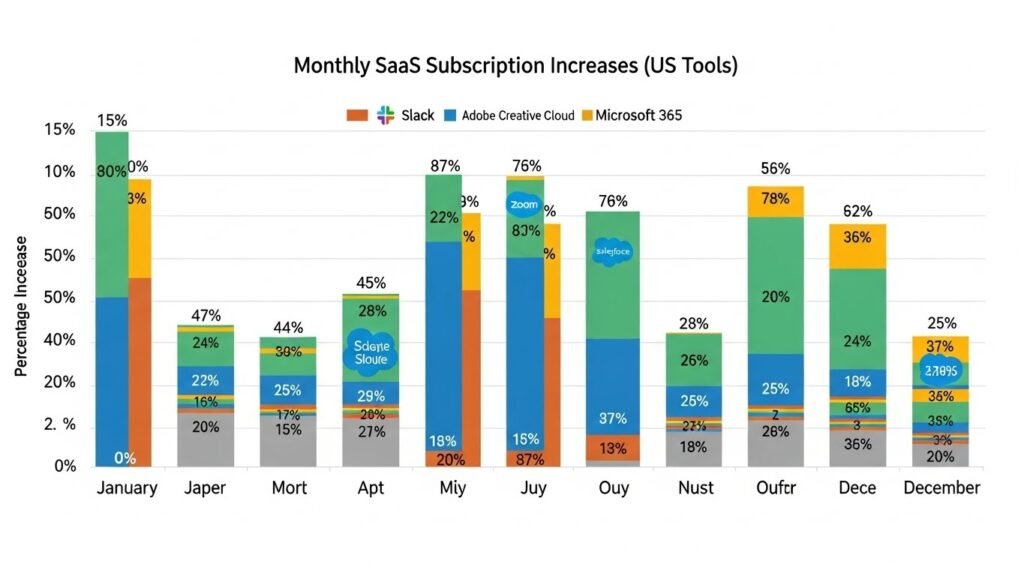
SaaS Companies That Increased Prices This Year
Let’s be real: some of your favorite tools cost more in 2026. Slack bumped its Pro plan a few dollars per user. Zoom’s enterprise subscription climbed slightly, mainly for AI-powered meeting summaries. Even smaller platforms, like Monday.com, have quietly nudged their pricing tiers. [Source: TechCrunch – https://techcrunch.com/2026/01/10/slack-zoom-pricing-update/]
You might think, “$5 per user isn’t a big deal.” But when your team grows, that $5 becomes $250, then $500, then a chunk of cash that could’ve gone into ads or product development. The problem is, many founders ignore small changes. Over time, it drains your resources without you even noticing.
AI features are a big driver. Predictive analytics, automation, smarter dashboards—they cost the company, and eventually, they cost you. Tracking SaaS pricing news helps you plan ahead. You can decide whether the new features are worth it, or if it’s time to look elsewhere.
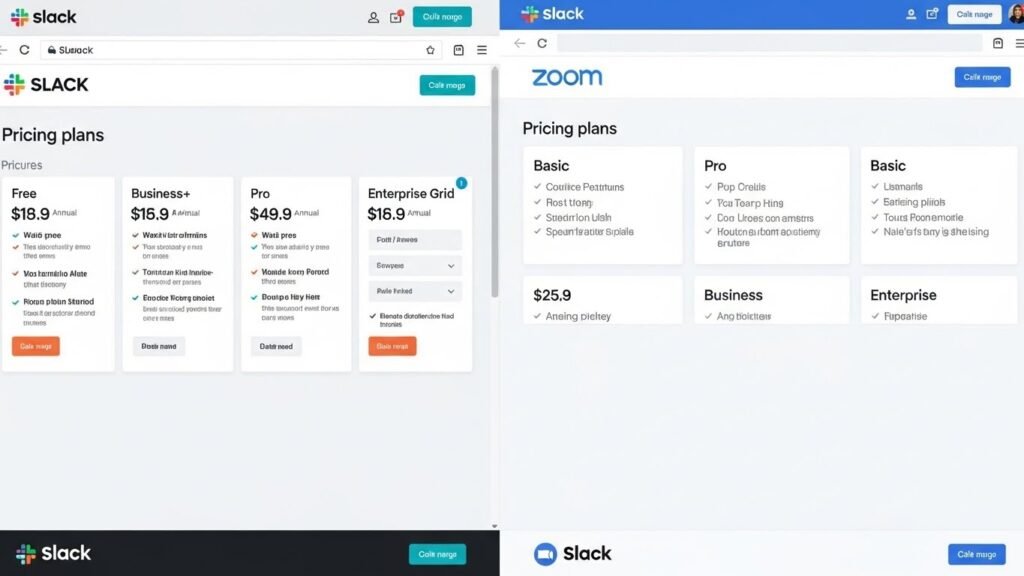
SaaS Tools That Reduced Pricing or Launched Cheaper Plans
It’s not all doom and gloom. Some tools actually lowered prices or launched cheaper plans. Notion rolled out a budget-friendly team plan. Airtable now has a usage-based option for light users. Even Figma and ClickUp offered alternatives to attract new users. [Source: Notion Blog – https://www.notion.so/blog/pricing-update]
Finding these deals isn’t just about saving money—it’s about spending smarter. Maybe you’ve been paying for features you never touch. Maybe a new plan fits your workflow better. Paying attention to SaaS subscription updates can help you switch without disruption.
But here’s the catch: promos aren’t forever. Miss the timing, and you’re back to the old price. That’s why monitoring these updates is worth the small effort—it saves cash and keeps your stack efficient.
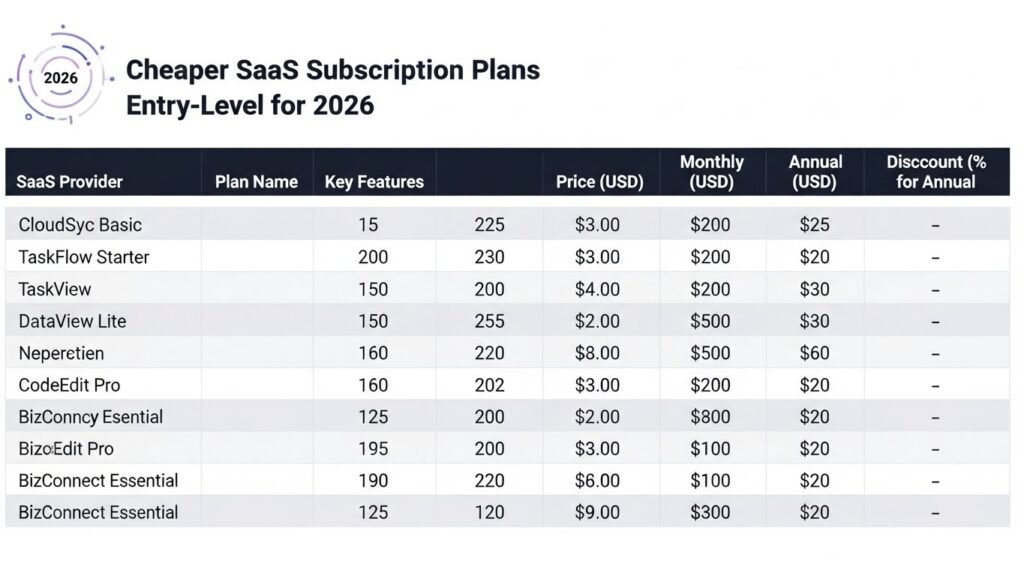
Recent SaaS Pricing Changes by Top Software Companies
Let’s break down some concrete examples. Salesforce tweaked its Professional plan for small teams. Figma combined tiers, and HubSpot slightly raised their Marketing Hub prices for enterprise accounts. Trello and Miro quietly nudged some subscription fees this year too. [Source: Salesforce Blog – https://www.salesforce.com/blog/pricing-updates/]
Founders often shrug at “minor” updates. Don’t. Those small changes compound across your stack, and suddenly you’re paying hundreds extra each month. Reading the latest SaaS pricing news keeps you ahead, instead of scrambling after the fact.
These updates also tell a story. A price increase usually signals added features, growing demand, or operational costs. Following these changes helps you understand market trends and make smarter subscription choices.
AI Features Driving SaaS Price Increases
AI isn’t free, and it’s creeping into almost every SaaS tool. Automation, predictive analytics, smart reporting—they add value, but also cost more.
[Source: Forbes Tech Council – https://www.forbes.com/sites/forbestechcouncil/2023/07/01/ai-impact-on-saas-pricing/]
If your stack relies heavily on AI-powered tools, expect your bills to rise this year. Even small add-ons matter when multiplied by team size. Staying on top of SaaS pricing changes gives you foresight. You’ll know when to invest in AI features—or when the price outweighs the benefits.
It’s not just about features—it’s about market positioning. Companies justify higher subscriptions with AI, but you need to evaluate the ROI. Don’t blindly pay more just because a tool got “smarter.”
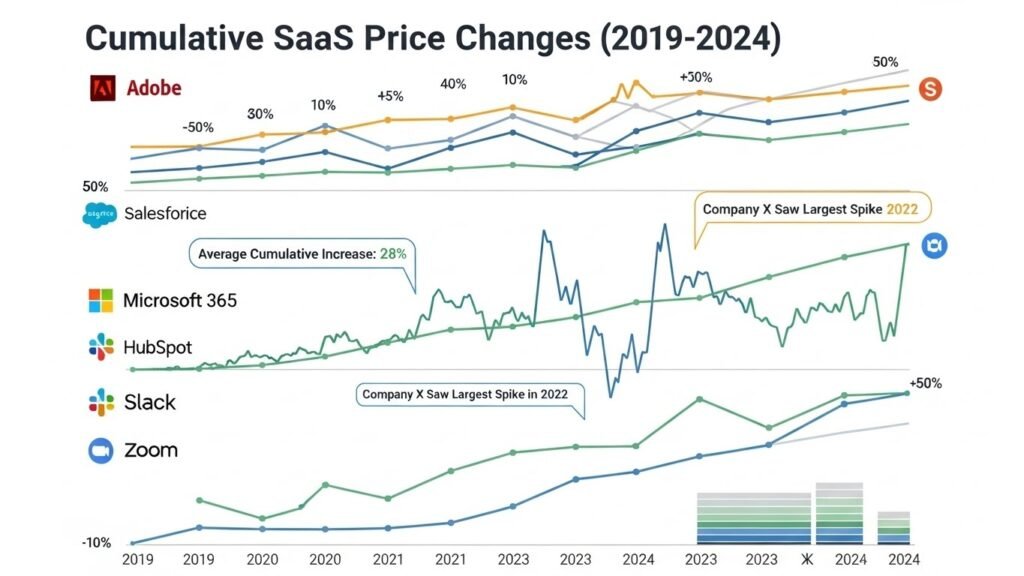
How SaaS Pricing News Impacts Startups, SMBs, and Enterprises
Price changes hit differently depending on company size. Startups notice every extra dollar. SMBs juggling multiple subscriptions see costs add up fast. Enterprises can absorb increases, but inefficiency still hurts margins.
Ignoring SaaS subscription updates can stall growth. Overspending on software while ad dollars burn without organic traction is frustrating. Staying aware of SaaS pricing news allows smarter budget planning and helps you focus on tools that actually deliver results.
[Source: HubSpot – https://blog.hubspot.com/sales/saas-pricing-strategy]
Some founders just adopt tools without reviewing costs. They realize too late that subscriptions have quietly grown. Regularly reviewing updates prevents these surprises and keeps forecasting realistic.

SaaS Pricing Trends Founders Should Watch Closely
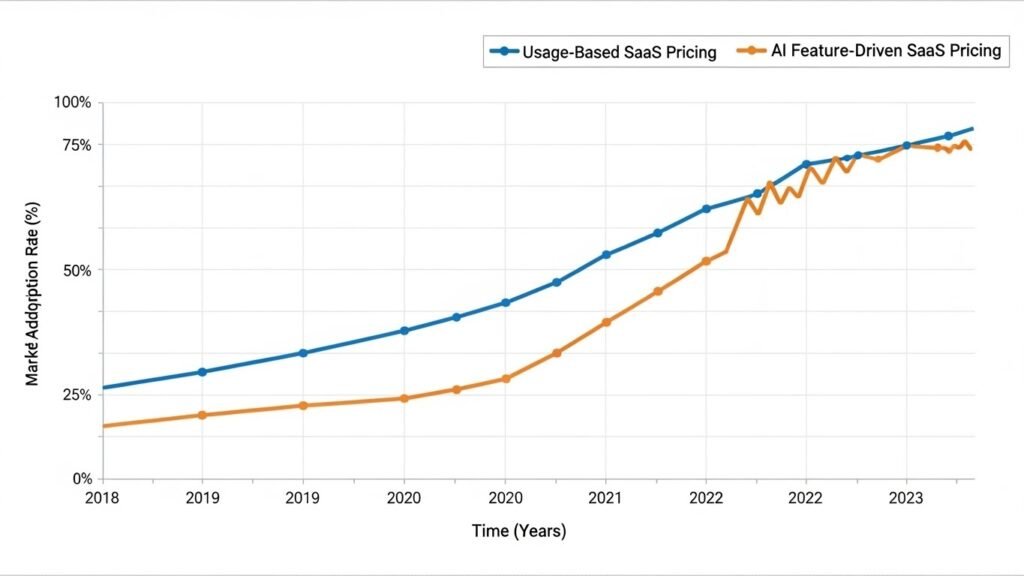
Three trends are worth tracking in 2026: usage-based pricing, AI add-ons, and subscription term changes. Usage-based plans save money for light users but can get expensive fast. AI features often increase prices. Switching between monthly and annual terms can lock you into higher costs.
Ignoring these trends means you might overpay. Keeping tabs allows predictable spending and strategic tool choices. SaaS pricing news isn’t just about costs—it’s about staying smart with your stack. Being proactive ensures your business grows without unnecessary waste.
How to Track SaaS Pricing News Before Your Costs Increase
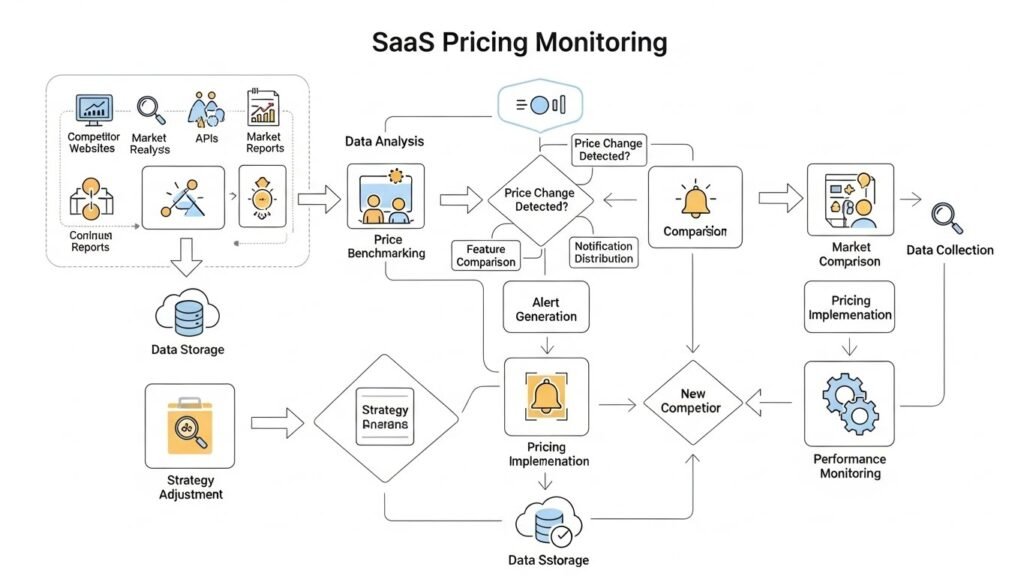
You need a system. Subscribe to updates, monitor blogs, check changelogs. Even a simple internal spreadsheet helps. Keep track of every price change across subscriptions. Doing this avoids nasty surprises.
A weekly check is enough for most founders. You’ll spot small hikes, new plans, and promo windows. It gives you leverage to downgrade, switch, or negotiate before costs climb. Monitoring SaaS pricing news isn’t optional—it’s strategic. [Source: TechCrunch – https://techcrunch.com/2026/01/05/how-to-monitor-saas-pricing-updates/]
Founders who track updates save money, prevent wasted spend, and protect cash flow. Staying ahead means you can invest where it matters, rather than throwing money at subscriptions that quietly inflate.
FAQs (SEO & Featured Snippet Optimized)
SaaS pricing news covers updates on subscription costs, plan changes, and pricing models from software companies. Tracking these updates helps founders manage budgets, anticipate cost increases, and avoid paying more than necessary for tools they rely on. [Source: HubSpot – https://blog.hubspot.com/operations/saas-pricing-trends]
Companies adjust pricing due to new features, AI integrations, rising operating costs, or market demand. Understanding SaaS pricing changes helps you plan spending, evaluate tool value, and prevent surprises in your monthly subscription bills.
Frequency varies by company. Some adjust monthly, others annually. Tools with AI features or advanced workflows often raise prices more frequently. Monitoring SaaS pricing news ensures your business stays on top of changes and avoids unexpected costs.
Subscribe to company newsletters, follow product changelogs, and create an internal dashboard to log updates. Doing this allows you to spot pricing changes early, compare plans, and make informed decisions about upgrading or switching software tools.
Yes, some companies introduced lower-cost plans or usage-based pricing. Tools like Notion, Airtable, and ClickUp launched affordable alternatives, giving founders options to save money while maintaining productivity without compromising features. [Source: Notion Blog – https://www.notion.so/blog/pricing-update]